

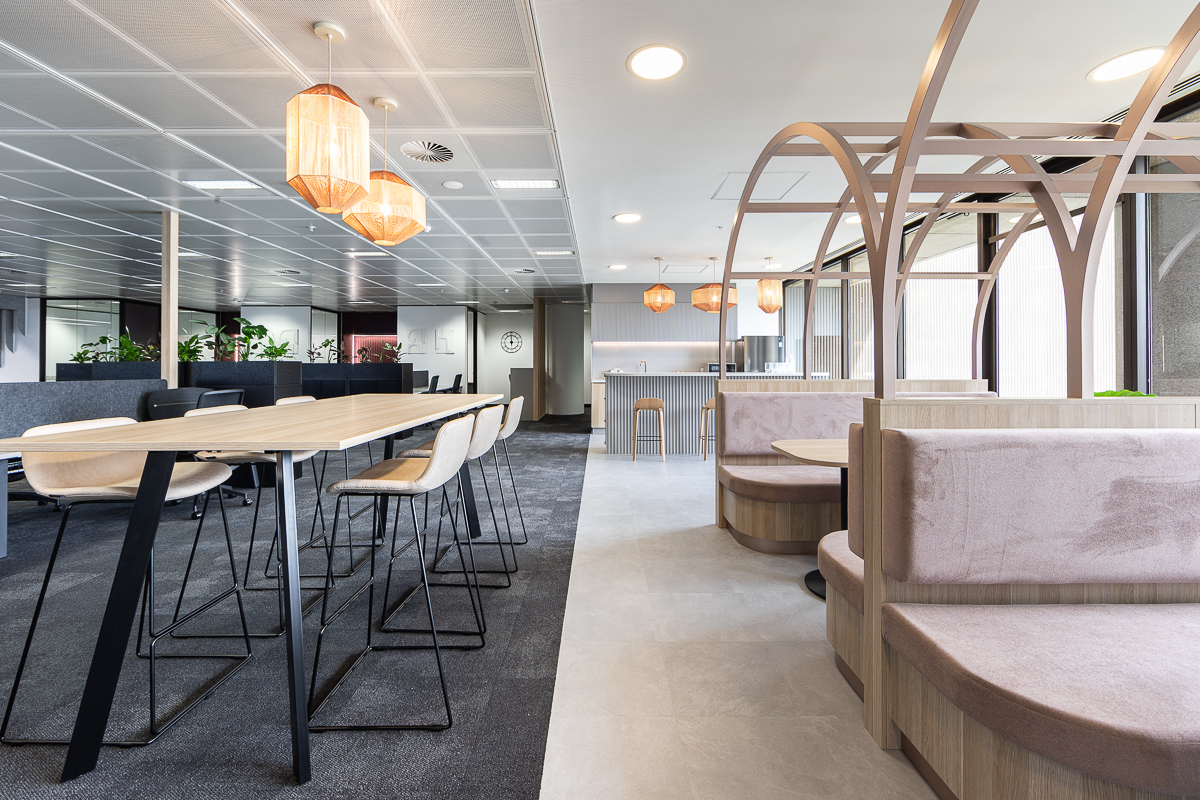
Every leasing campaign has a capex budget attached to it, and how that budget gets allocated has a real effect on how quickly a building leases and to whom. The trap is spending on what looks impressive rather than what actually moves a prospective tenant's decision. Hub Interiors has completed over 420 office interior design projects across Australia, including facade modernisation, amenities upgrades and show suites, and the priority order below reflects what genuinely influences leasing appeal versus what tends to be capital spent for its own sake.
- 1 Lobby and arrival experience — the first physical impression, and the highest-leverage spend.
- 2 Tenant amenities — end-of-trip facilities give agents a concrete selling point.
- 3 Lighting — cost-effective relative to its impact on how a space feels.
- 4 Common areas — worth doing, but not ahead of the lobby or amenities.
- 5 Show suites — high impact, but narrower in application.
Lobby and Arrival Experience, What Potential Tenants Notice First
The lobby and arrival sequence is the first physical impression a prospective tenant forms of a building, often before they've seen a single tenancy. A tired, dated lobby undercuts the pitch for the rest of the building, no matter how strong the floor plates or amenities are further in. This is consistently one of the highest-leverage areas for capital spend precisely because it sets the frame for everything a prospect sees afterwards, in person and in the photography and virtual tours used to market the building.
Amenities, Close Behind
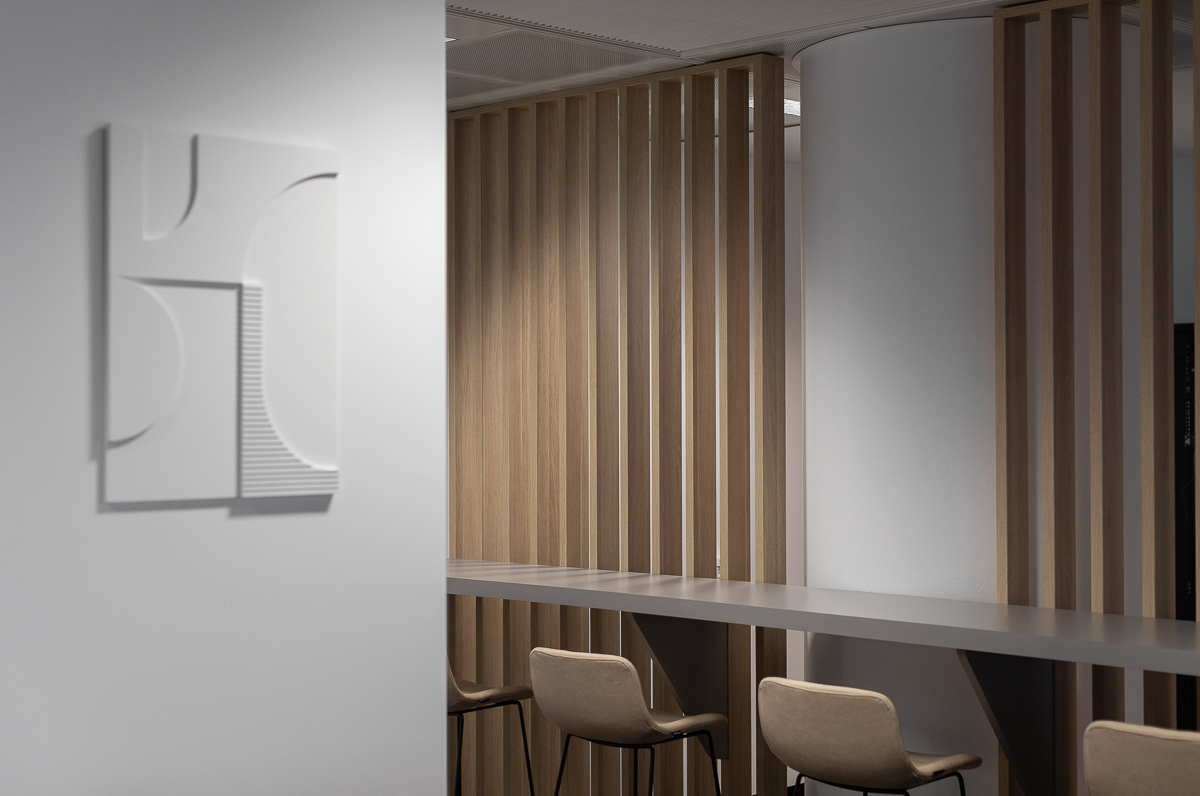
End-of-trip facilities and other tenant amenities have become a genuine differentiator in commercial leasing, particularly for tenants competing to attract staff back to the office. A building with well-executed amenities gives leasing agents a concrete, tangible selling point beyond floor area and rate, and it's an area where Hub Interiors has direct project experience delivering amenities upgrades as part of broader commercial refurbishments.
Lighting, Underrated but Effective
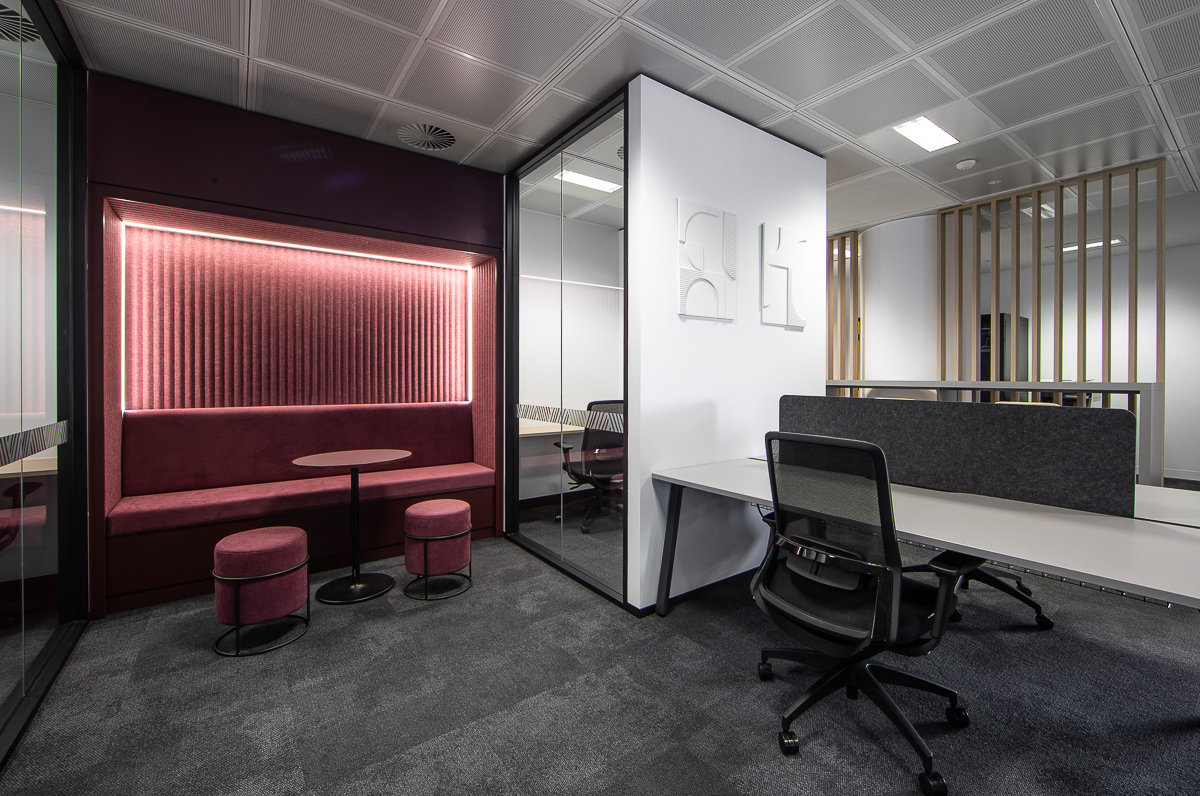
Lighting is one of the more cost-effective upgrades relative to its impact on how a space feels. Poor lighting makes even a well-designed space feel flat and uninviting, while a considered lighting upgrade, spanning natural, ambient and task lighting, can meaningfully lift the perceived quality of common areas and show suites without the scale of spend a full renovation requires.
Not sure which upgrade your building needs first?
Get In Touch With The TeamCommon Areas, Worth Doing but Sequence Matters
Common areas matter to leasing appeal, but they matter less than the arrival experience and amenities, since a prospective tenant typically forms their overall impression before spending significant time in shared corridors and breakout spaces. Common area upgrades are worth doing as part of a broader campaign, but they shouldn't be prioritised ahead of the lobby or amenities if budget is constrained.
Show Suites, High Impact but Narrower Application
A well-executed show suite can be highly persuasive, giving a prospective tenant a concrete picture of what their own fitout could look like rather than an empty shell. The trade-off is that a show suite's impact is narrower than a lobby or amenities upgrade, since it only benefits leasing on the specific floor or tenancy it's built in. It's a strong tool for a targeted campaign, but not a substitute for getting the building-wide arrival experience right first.
Where Capital Spend Rarely Pays Back
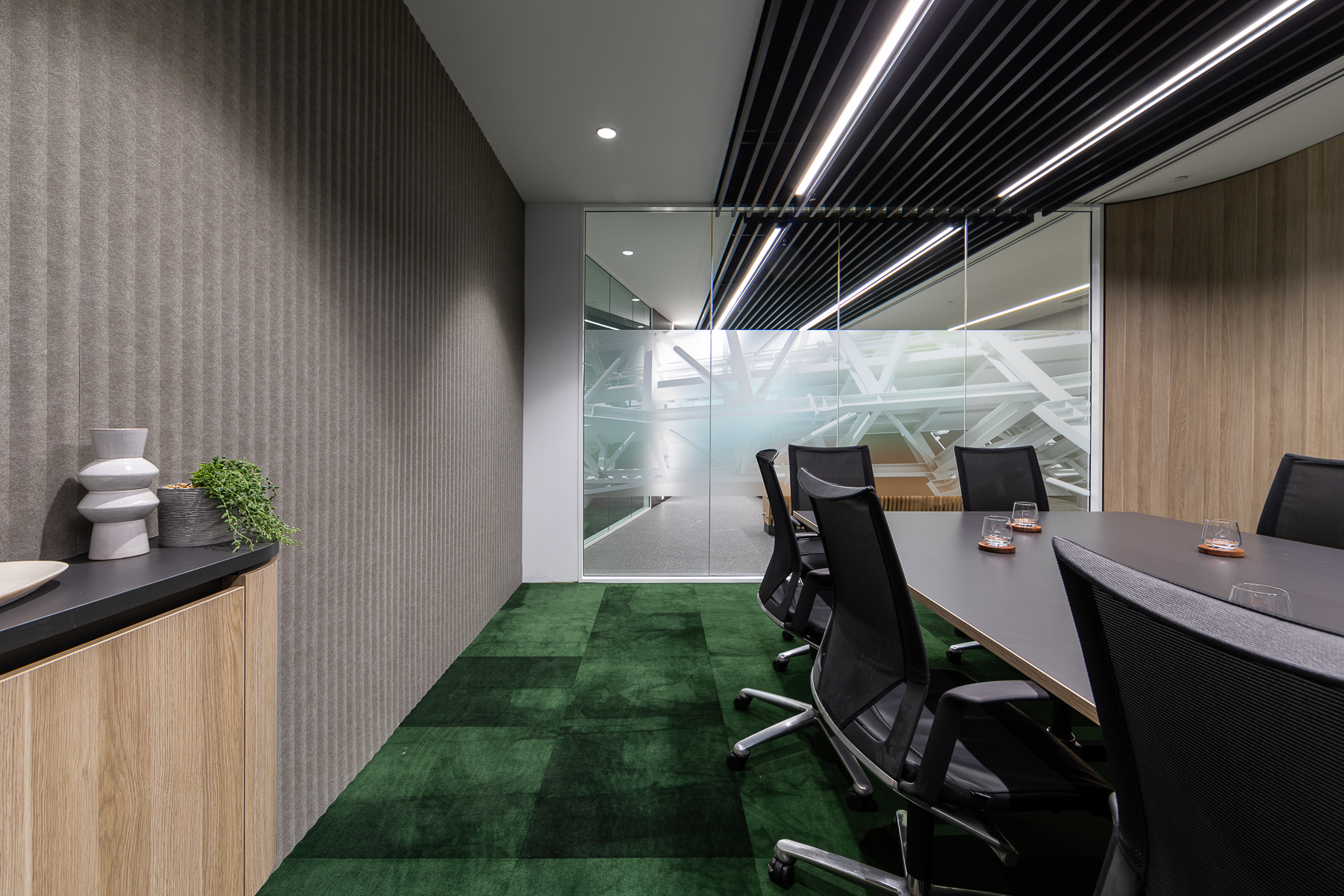
Not every upgrade that looks impressive moves the needle on leasing outcomes. Highly bespoke or unusual finishes that reflect a specific taste rather than broad market appeal tend to have a narrow audience and can even work against a building if a prospective tenant can't picture their own brand identity in the space. Similarly, purely cosmetic upgrades applied in isolation, without addressing the arrival experience or amenities that actually shape a leasing decision, tend to underperform relative to their cost. Capital is generally better spent on the areas above, in that order, than spread thinly across cosmetic touches throughout a building.
How Capital Spend Feeds Your Marketing Campaign
Physical readiness and marketing readiness are connected, not separate budgets. The condition of a lobby, amenity space or show suite is exactly what ends up in the photography, virtual tours and property listing content a leasing agent uses to run the marketing campaign. A building that photographs well because the physical work has actually been done tends to generate stronger interest than one where marketing is asked to make an outdated space look better than it is. Hub Interiors' role is delivering that physical readiness; the digital marketing strategy itself, from listing content through to social media and paid search, sits with the leasing agent or marketing team running the campaign, and works best when it has genuinely upgraded space to show. A building that consistently delivers a strong first impression also tends to generate positive reviews and word of mouth among existing tenants, which supports the wider campaign in ways paid channels alone can't.
Getting the Sequence Right, Working With Property Management
Hub Interiors offers an initial consultation and space planning service, backed by a team of architects, interior designers and project managers with 15+ years of architectural experience, which means a leasing campaign's capex budget can be sequenced against genuine leasing impact rather than guesswork. Projects are delivered at an up-front agreed price, and Hub employs registered builders capable of demolition, refurbishment, renovation and complete fitouts, covering everything from a lobby refresh through to a full show suite build. Coordinating this timeline with the property management team responsible for the leasing campaign helps make sure the capital works are finished, not half-done, by the time marketing goes live.
Matching Capex to Vacancy Rates and Target Audience
The right level of capex also depends on what's actually driving vacancy rates on a specific building and who the target audience for the space actually is. A building sitting empty because of a dated arrival experience needs a different response to one that's struggling because of location or floor plate size, and capital is better spent addressing the cause than applied evenly across every visible surface. Understanding the target audience for a building, whether that's smaller tenants, larger corporate occupiers or a specific sector, also shapes which of the priorities above matters most for that particular leasing campaign.
Frequently Asked Questions
Where should capex be prioritised before a leasing campaign?
Lobby and arrival experience typically has the highest impact, followed closely by tenant amenities such as end-of-trip facilities, then lighting, common areas, and show suites.
Are show suites worth the investment?
Show suites can be highly persuasive for a specific tenancy, but their impact is narrower than building-wide upgrades like the lobby or amenities, so they work best as part of a broader campaign rather than in isolation.
What kinds of upgrades tend not to pay back in a leasing campaign?
Highly bespoke or unusual finishes with narrow appeal, and purely cosmetic upgrades applied without addressing arrival experience or amenities, tend to have a weaker effect on leasing outcomes relative to their cost.
Does capital spend replace a digital marketing strategy for a leasing campaign?
No. Capital spend and digital marketing do different jobs. Physical upgrades give a leasing agent genuinely better space to photograph, film and show; the marketing plan, listings and outreach that turn that into enquiries and leases sit with the leasing agent or marketing team, not with the capex side of the project.
Should property managers be involved in capex planning before a leasing campaign?
Yes, wherever possible. Property managers usually have the clearest view of what's driving vacancy or slow leasing on a specific asset, so involving them early helps make sure capital is spent against the areas actually holding a campaign back.
Do physical upgrades genuinely generate positive reviews and word of mouth?
They can. Tenants and their staff notice when a lobby, amenities or common areas are well maintained, and that experience feeds into word of mouth and reviews over time, even though it isn't something a capex budget can guarantee on its own.
Can Hub Interiors help plan and deliver a leasing campaign capex upgrade?
Yes. Hub Interiors offers an initial consultation and space planning service, and has project experience across facade modernisation, amenities upgrades and show suites, backed by registered builders.
Get in touch with Hub Interiors for an initial consultation to sequence your leasing campaign capex for the best impact on leasing appeal.
Get In Touch With The Team